

Renovating your first home is exciting—but it can also be overwhelming. Many first-time homeowners dive in headfirst, only to encounter costly mistakes that could have been avoided with a little planning. In this post, we’ll explore 10 common renovation mistakes in detail.
1. Underestimating the Budget
Many first-time renovators assume the initial quote or material cost is the full picture. Unfortunately, hidden expenses like permits, delivery fees, and unexpected repairs often arise. This oversight can lead to stalled projects or financial stress. For example, one homeowner budgeted $10,000 for a kitchen remodel but ended up spending $14,000 due to plumbing issues. To avoid this, create a detailed budget that includes every possible cost and add a contingency of 10–20%. Research local permit fees and factor in labor fluctuations. A well-prepared budget ensures you can handle surprises without sacrificing quality

2. Skipping a Detailed Plan
Jumping into renovations without a clear roadmap is a recipe for chaos. Without a plan, you risk mismatched designs, wasted materials, and delays. A homeowner once started tearing down walls without checking load-bearing structures, causing costly structural fixes. A detailed plan should include sketches, measurements, timelines, and a list of materials. It helps you visualize the end result and communicate effectively with contractors. Spend time planning before demolition begins—this upfront effort saves time and money later.

3. Ignoring Permits and Regulations
Permits may feel like a hassle, but skipping them can lead to fines or forced rework. One couple installed a new deck without a permit and had to dismantle it after an inspection. Electrical, plumbing, and structural changes almost always require permits. Before starting, check your city’s requirements and apply early to avoid delays. Proper permits protect your investment and ensure safety standards are met.

4. Choosing the Cheapest Contractor
It’s tempting to pick the lowest bid, but this often results in poor workmanship or hidden costs later. A homeowner hired the cheapest contractor for a bathroom remodel, only to discover leaks and mold months later. Cheap contractors may cut corners or use subpar materials. Instead, evaluate contractors based on experience, reviews, and references. Ask for a detailed quote and timeline. Quality work may cost more upfront but saves you from costly repairs down the road.

5. Overestimating DIY Skills
DIY projects can be rewarding, but overconfidence can lead to expensive mistakes. One homeowner tried installing new wiring and ended up causing a short circuit that required professional repair. Tasks like electrical wiring or plumbing require expertise and can pose safety risks. Start with simple projects like painting or installing shelves. For complex jobs, hire professionals. Knowing your limits prevents damage and ensures your renovation meets safety standards.

6. Neglecting Structural Issues
Cosmetic upgrades are exciting, but ignoring structural problems is dangerous. A homeowner spent thousands on new flooring only to discover foundation cracks later. Issues like foundation cracks, roof leaks, or faulty wiring should be addressed first. These problems can worsen over time and cost more to fix later. Schedule a professional inspection before starting renovations. Fixing structural issues upfront creates a safe and lasting foundation for your dream home.

7. Not Considering Resale Value
Personalizing your home is great, but overly unique choices can hurt resale value. For example, installing bright purple kitchen cabinets might suit your taste but deter future buyers. Stick to timeless designs for major elements and use décor for personality. Neutral palettes and classic materials make your home attractive to a wider audience, preserving its market value

8. Poor Space Planning
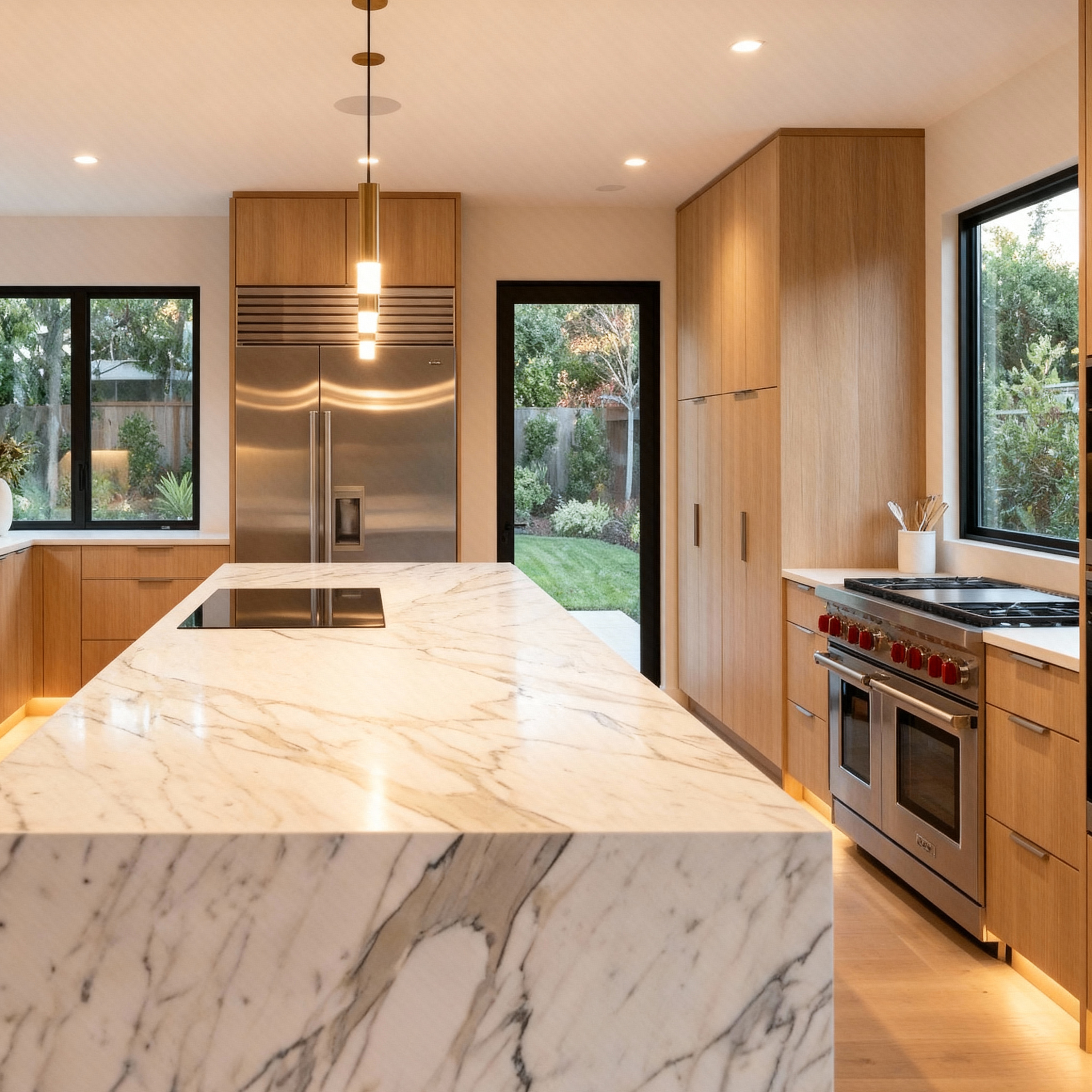
Adding features without considering flow and functionality leads to awkward layouts. One homeowner installed a kitchen island that blocked the refrigerator door, creating daily frustration. Think about how you use each room and plan accordingly. Use design tools or consult a professional to optimize space. Good planning ensures your home is both beautiful and practical.

9. Forgetting Energy Efficiency
Ignoring insulation, windows, and energy-efficient appliances increases long-term costs. A homeowner skipped upgrading old windows and now pays high heating bills every winter. Poor energy planning means higher utility bills and less comfort. Incorporate energy-saving upgrades like double-pane windows, LED lighting, and proper insulation early in the process. These investments pay off in reduced bills and improved home value.

10. Rushing the Process
Renovations take time, and rushing often leads to mistakes and regrets. One couple tried to finish a bathroom remodel in two weeks and ended up with uneven tiles and plumbing issues. Skipping research or cutting corners to finish quickly can compromise quality. Set realistic timelines and allow for delays. Review each step carefully before moving forward. Patience ensures a polished result you’ll enjoy for years.

Renovating your home should be exciting, not stressful. By avoiding these common mistakes, you’ll save money, time, and headaches—and create a space you truly love.



Leave a Reply